

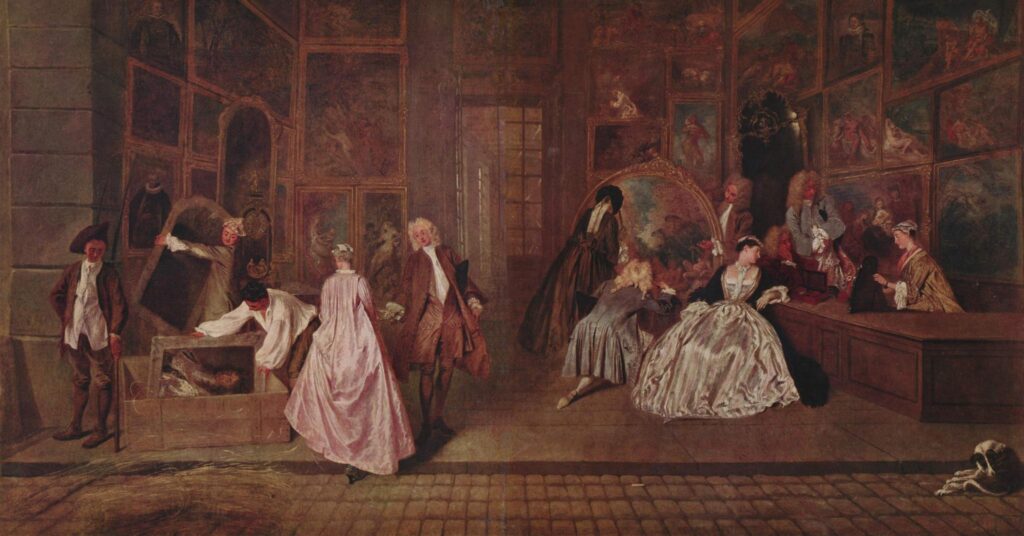
In the 17th century, a new middle class began buying art in Flanders, Holland, and Italy. These were mainly portable paintings, easy to sell or bequeath, and this desire to acquire images drove the birth of a market. Later, figures such as Edmé-François Gersaint in France transformed auctions into public experiences, with illustrated catalogs and a vision of art as a symbol of luxury. Paris became the center of this new system, until the French Revolution shook everything up, and London took the lead with houses like Christie’s and Sotheby’s.
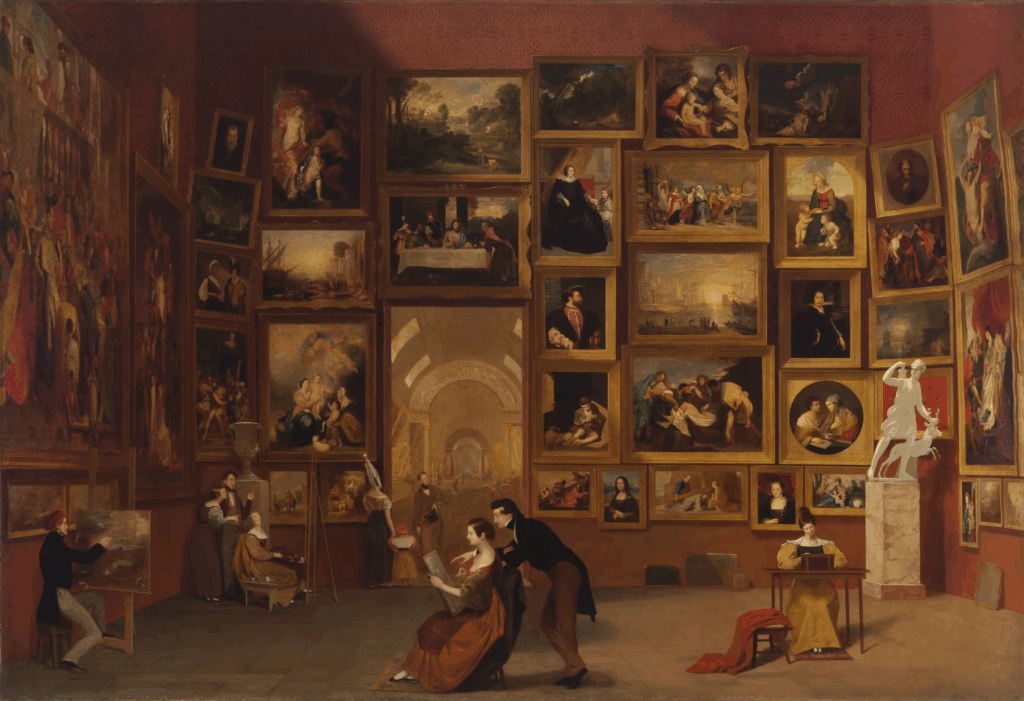
In England, collecting became a symbol of status. Young aristocrats took the “Grand Tour” through Europe, an educational journey where they bought classical art. In the 19th century, American businessmen traveled to Europe to buy European art to decorate their mansions that imitated palaces. In Latin America, visionary collections were also born, such as those of Oscar Cintas in Cuba, Antonio Santamarina in Argentina, and Raymundo Ottoni de Castro Maya in Brazil, who gathered works that today are part of museums.
The 20th century brought a revolution for Latin American art as it began to gain international value. In the 30s and 40s, artists such as Roberto Matta, Wifredo Lam, Diego Rivera, and Frida Kahlo burst onto the New York scene. In 1938, Frida exhibited for the first time at the Julien Levy Gallery. Her work would reach millionaire prices in the following decades. In 1979, Sotheby’s organized its first international auction of Latin American art, marking the beginning of a “boom” that transformed the market and interest in artists from the region.
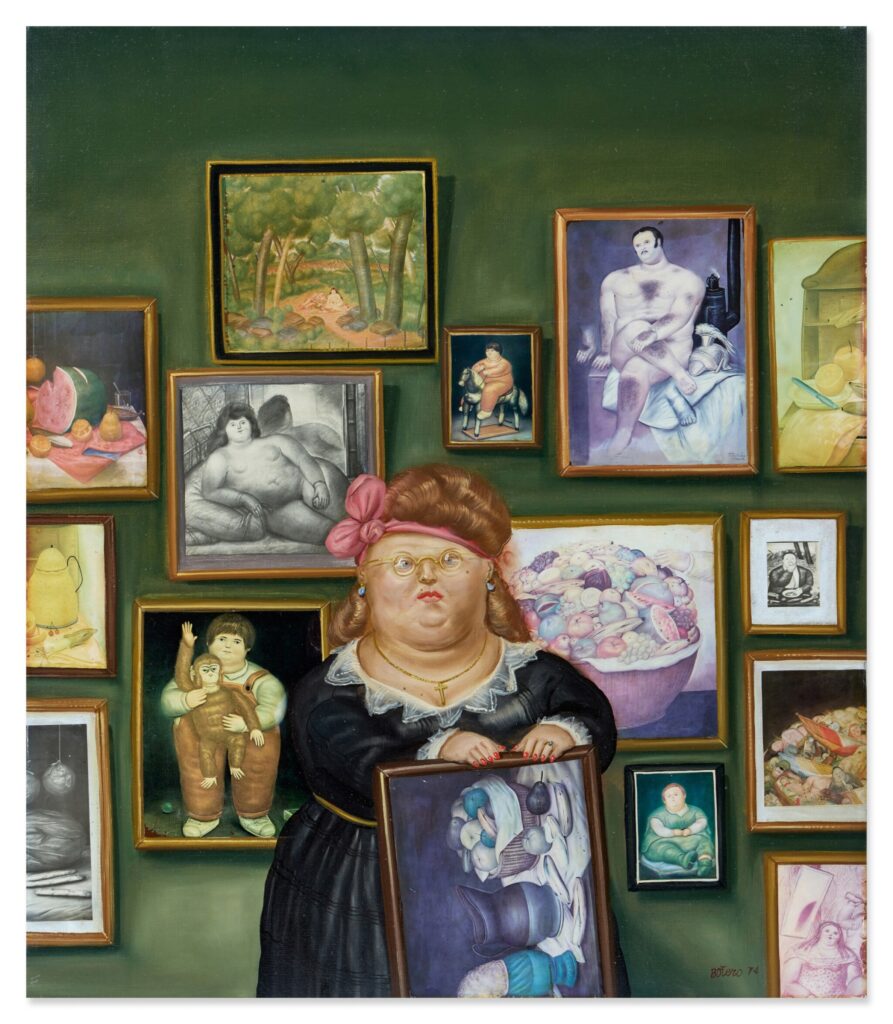
During the following decades, the Latin American art market consolidated. New artists emerged, such as Tamayo, Botero, Torres-García, Portinari, Figari, and Xul Solar, who began to occupy a place among the most sought-after names. Miami became a key meeting point for auctions and galleries. The market was no longer only driven by American collectors; Latin American buyers began to lead the auctions, changing the map of global collecting.
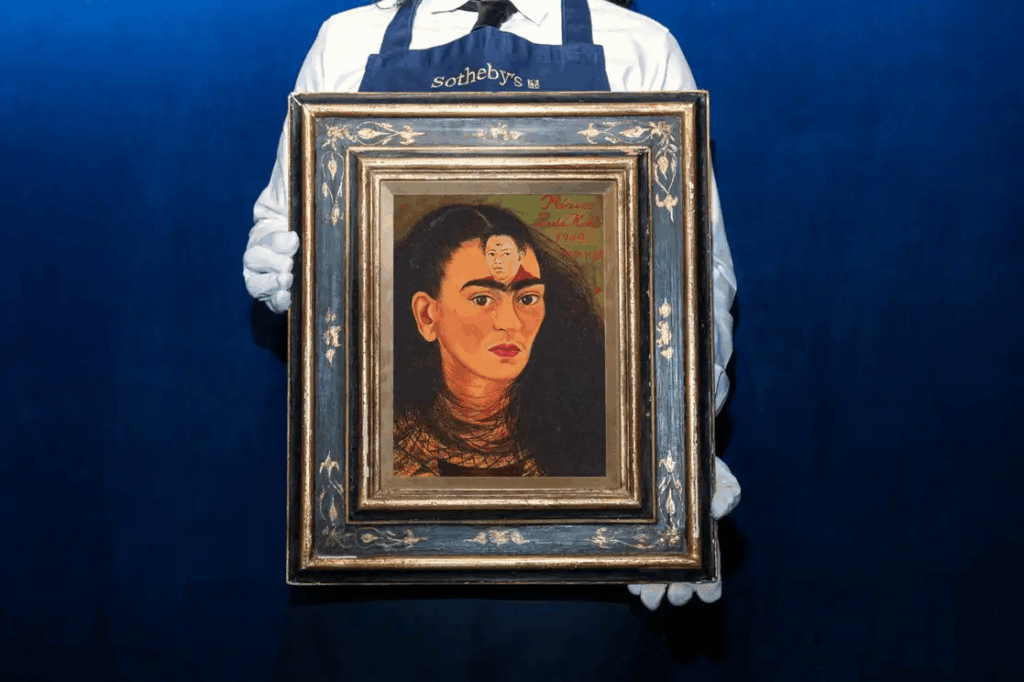
Many of the collections that today are part of important museums began as individual efforts. Private collectors gathered works with vision and patience, and over time, these collections passed into public hands. This is how a large part of the artistic heritage that is available to everyone today was built.
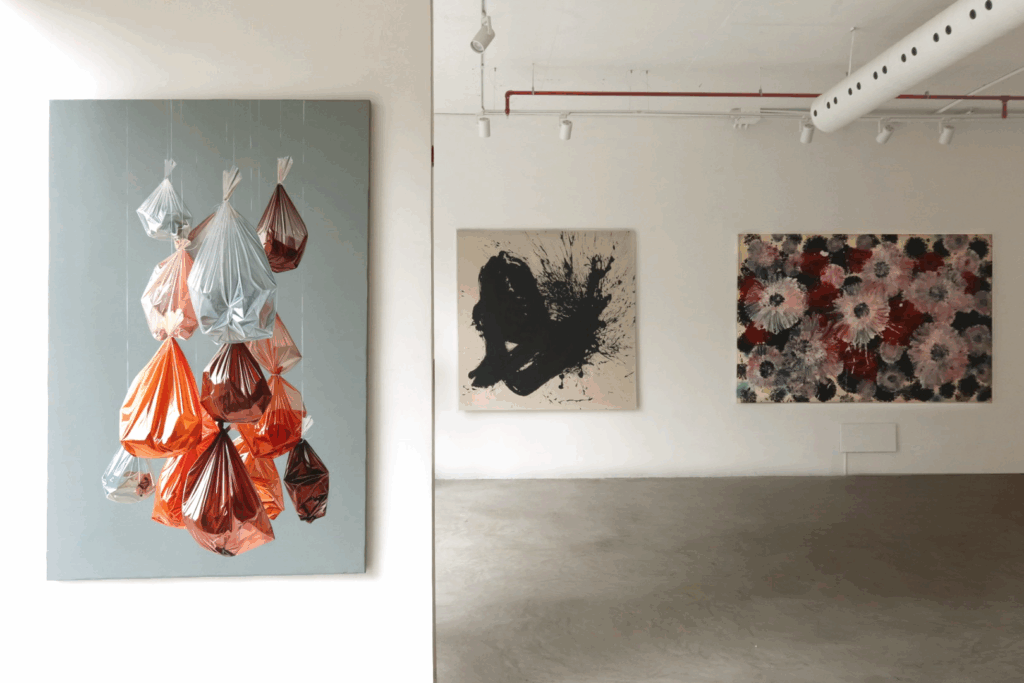
If you are interested in starting your art collection or are looking to expand the one you already have, write to us to schedule a call or visit and we will gladly advise you.