

Latin American art is a sum of styles and eras that reflect centuries of history, cultural encounters, and social changes. It encompasses expressions from Mexico, Central America, the Caribbean, and South America, as well as works created by Latin American artists in other parts of the world. From its inception, it has served to understand the identity, spirituality, and reality of the region.
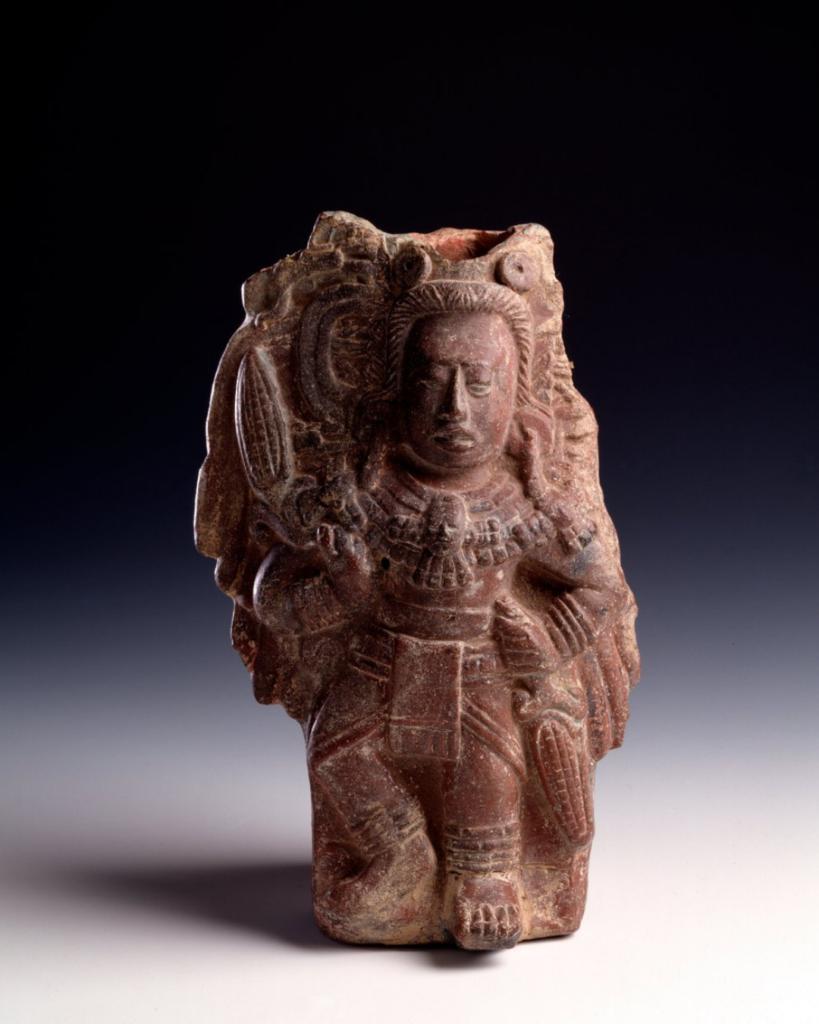
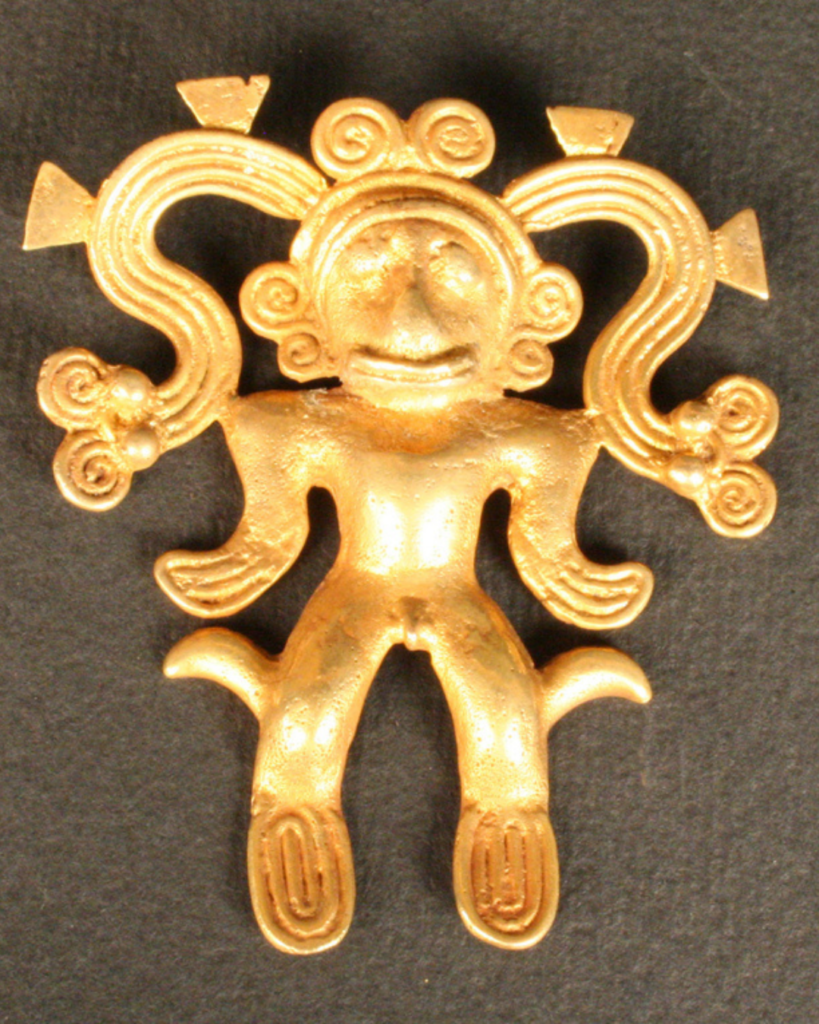
Before the 16th century, indigenous cultures had already developed artistic systems. The Mayan, Aztec, and Incan civilizations created sculptures, architecture, textiles, and ceramics. Today, this body of work is known as pre-Columbian art. These works served spiritual and practical functions and demonstrated a direct connection with nature and the cosmos.
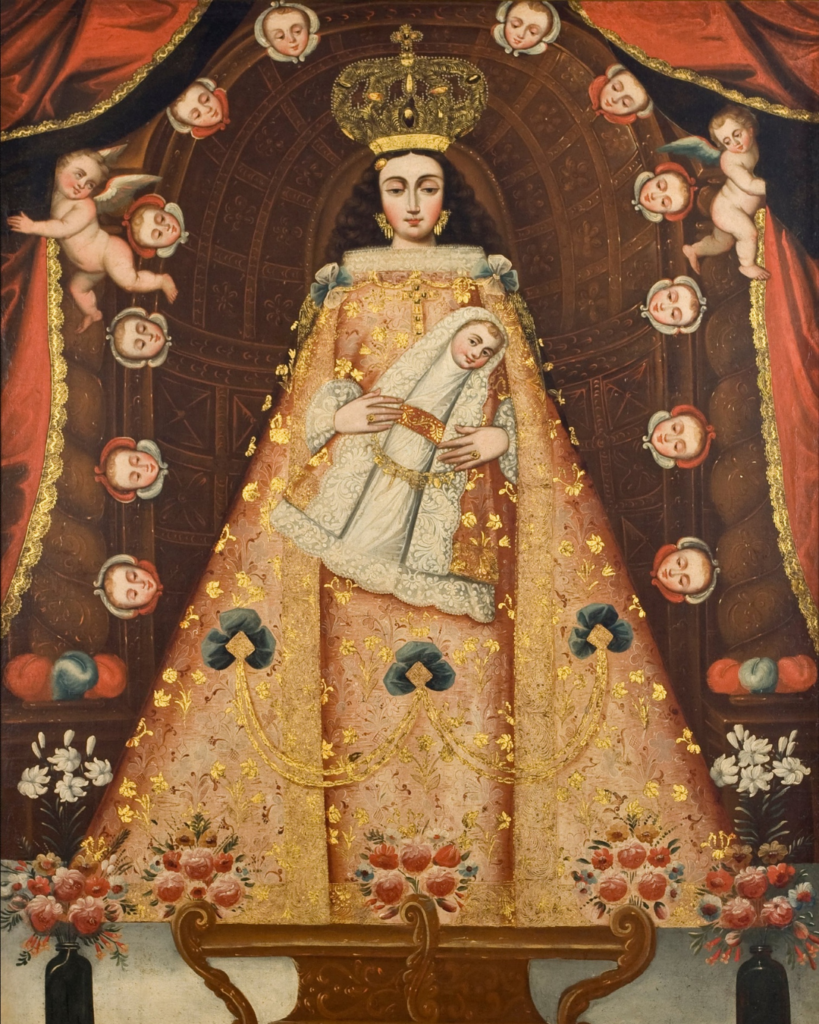
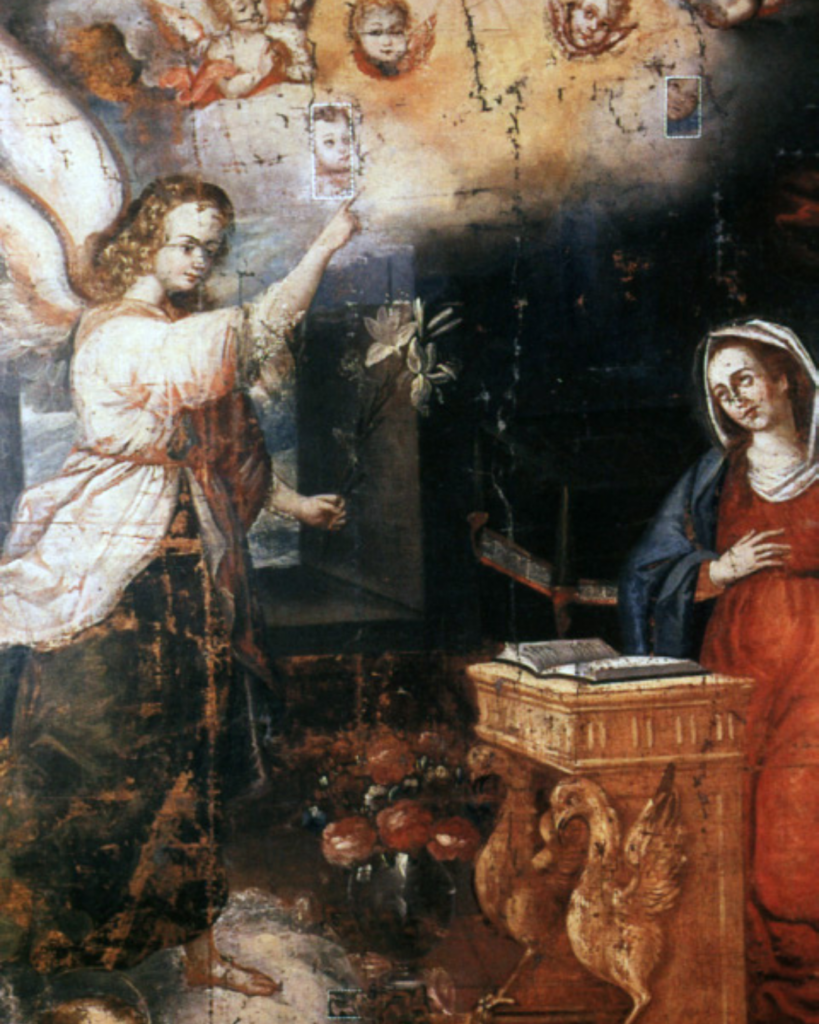
Colonization changed everything. Indigenous traditions blended with European and African influences, giving rise to a mestizo cultural identity. During this period, the Church dominated artistic production, using religious imagery for evangelization. From this fusion, Indo-Christian art was born, combining European and Indigenous elements. The Cuzco School stands out as a prime example of this art form.
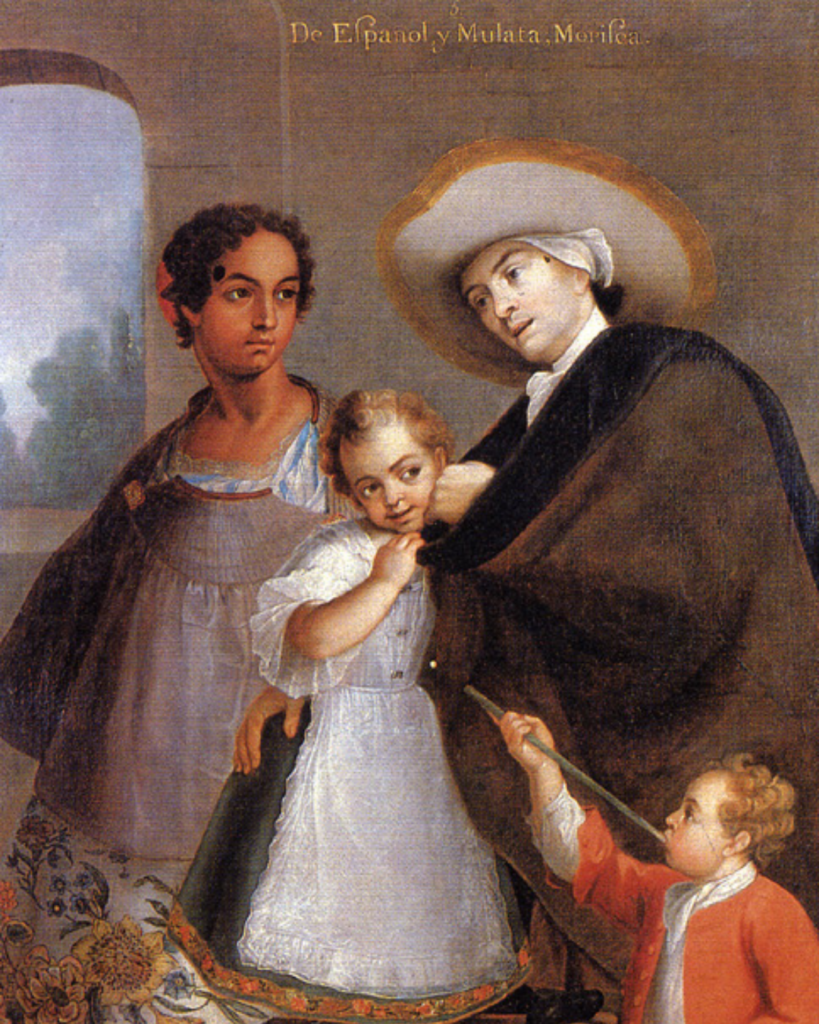
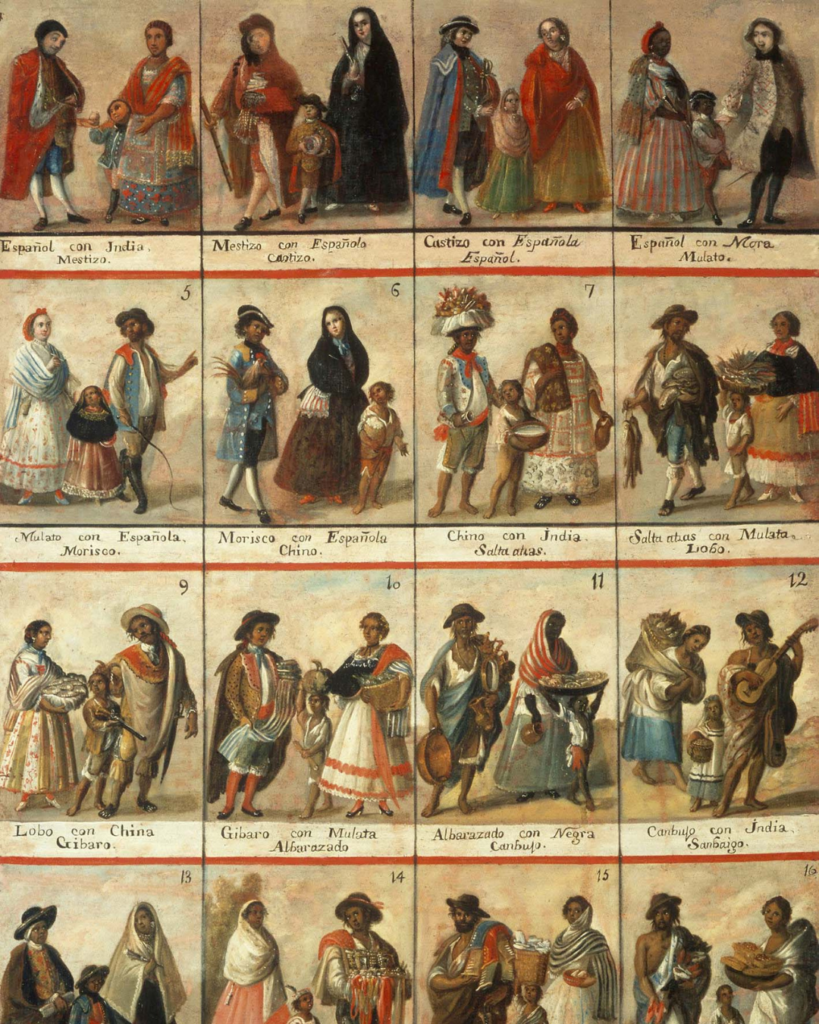
Casta paintings appeared in colonial Mexico. These works depicted racial mixing and established social hierarchies based on ethnic origin. Artists like Miguel Cabrera painted idealized family scenes. These images not only had artistic value but also reinforced the social order of the time.
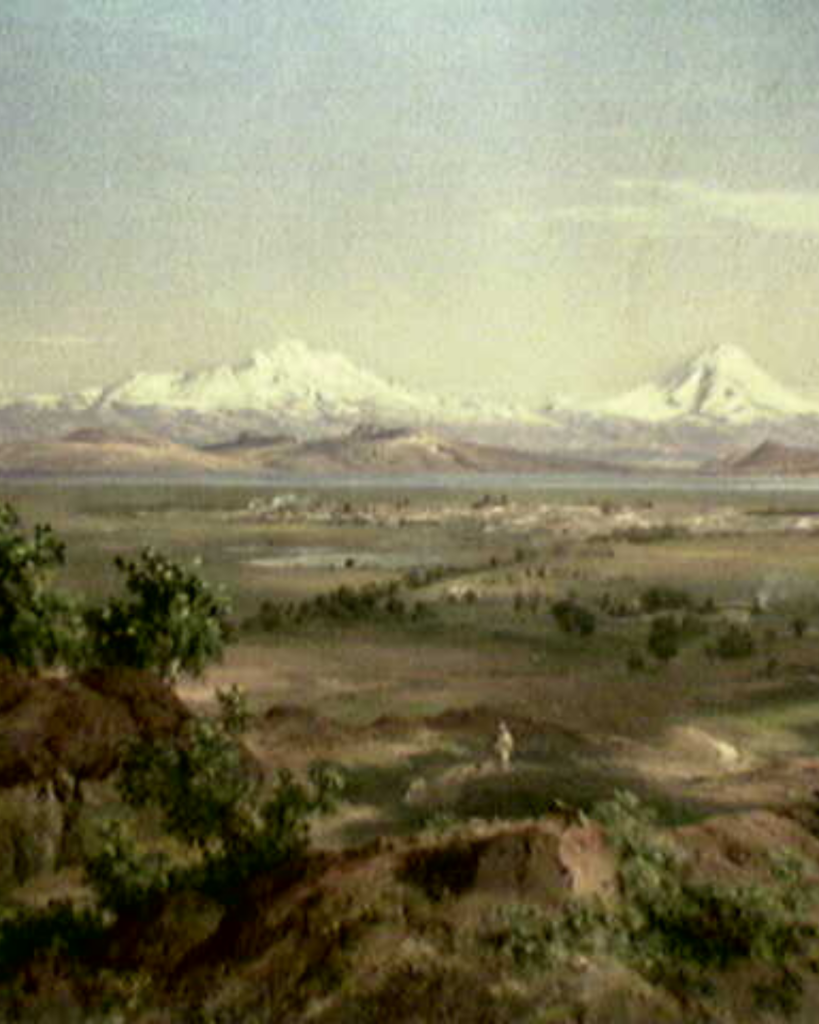
In the 18th century, art began to move beyond religious themes. Scientific expeditions fostered a different perspective. Artists observed nature and daily life in greater detail. Figures like Alexander von Humboldt traveled across the continent, documenting landscapes, flora, fauna, and customs. This work inspired new, more direct and empirical forms of representation.
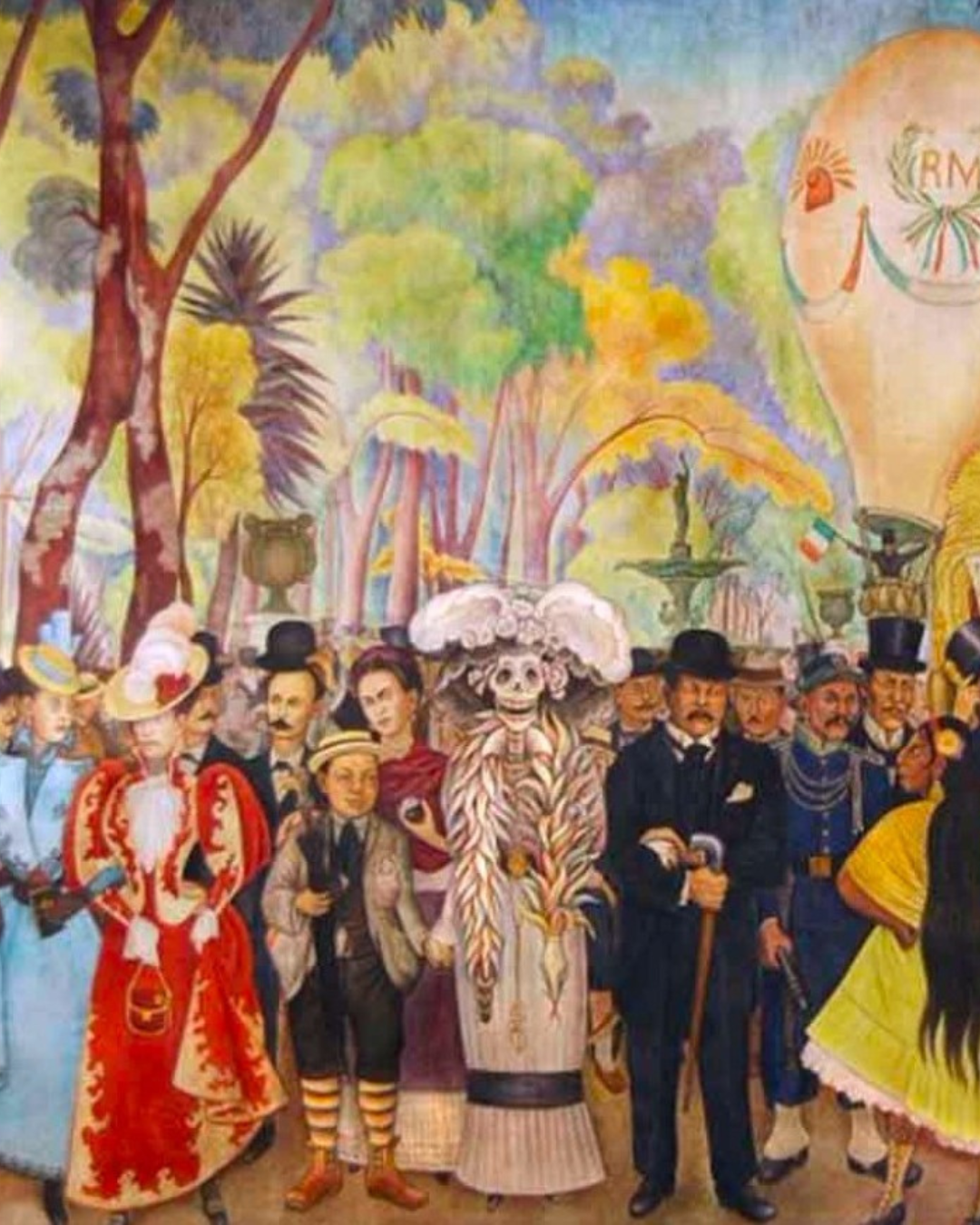
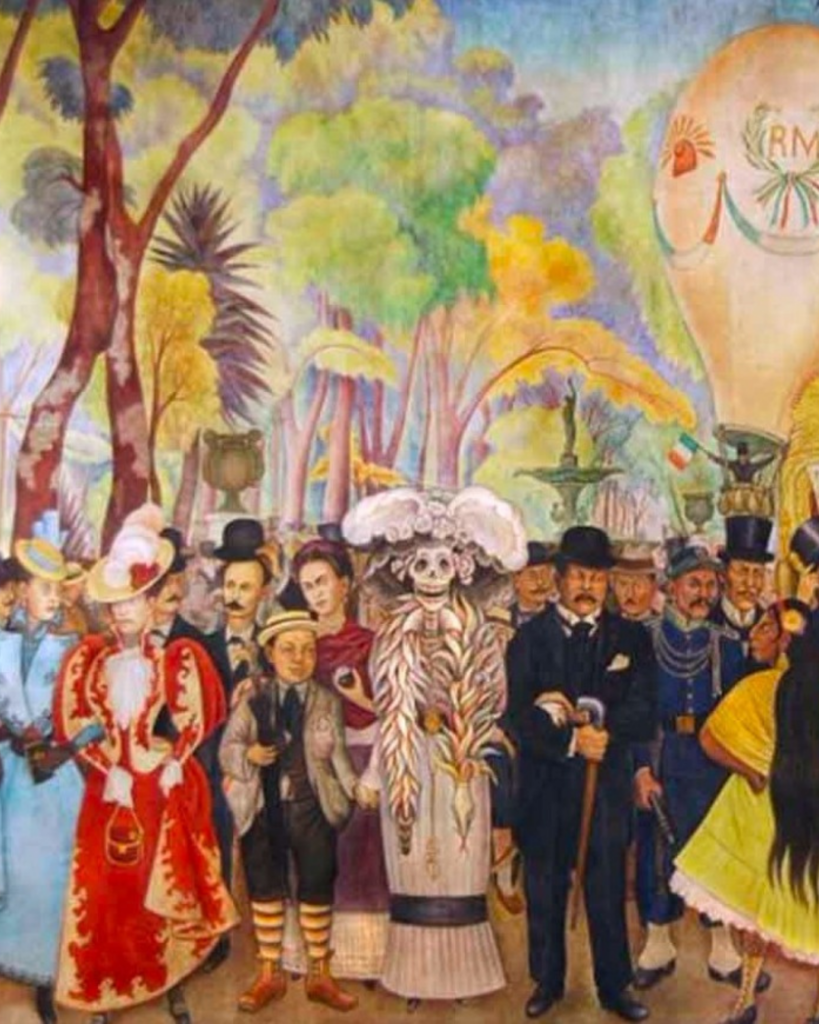
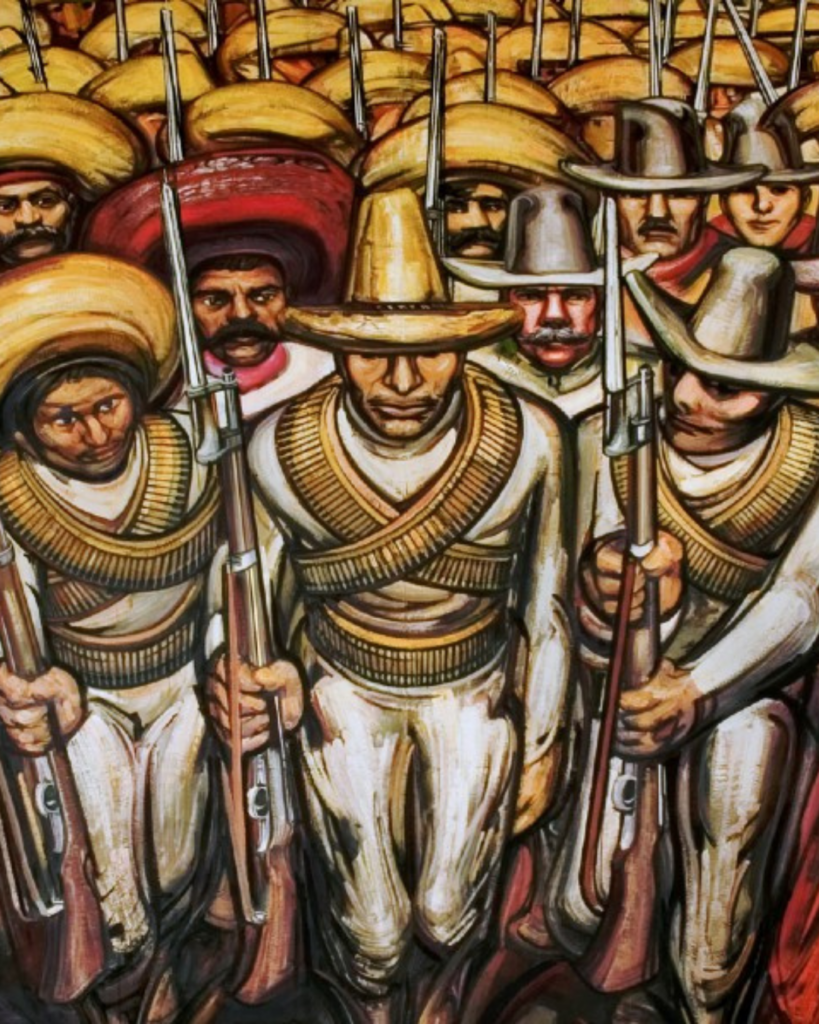
In the 20th century, artists sought their own identity. They distanced themselves from European influence. Mexican muralism marked this shift. It brought art into public spaces and transformed it into a political and social tool. Diego Rivera, José Clemente Orozco, and David Alfaro Siqueiros created monumental works. They addressed themes such as inequality, history, and social struggle.
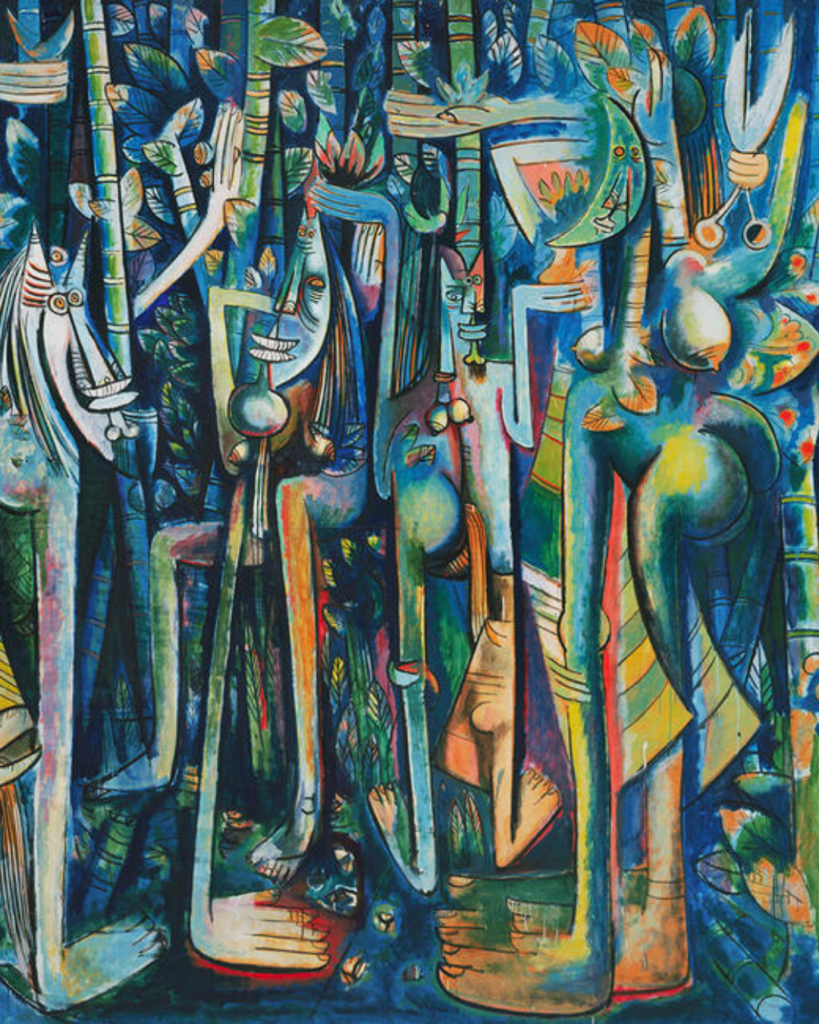
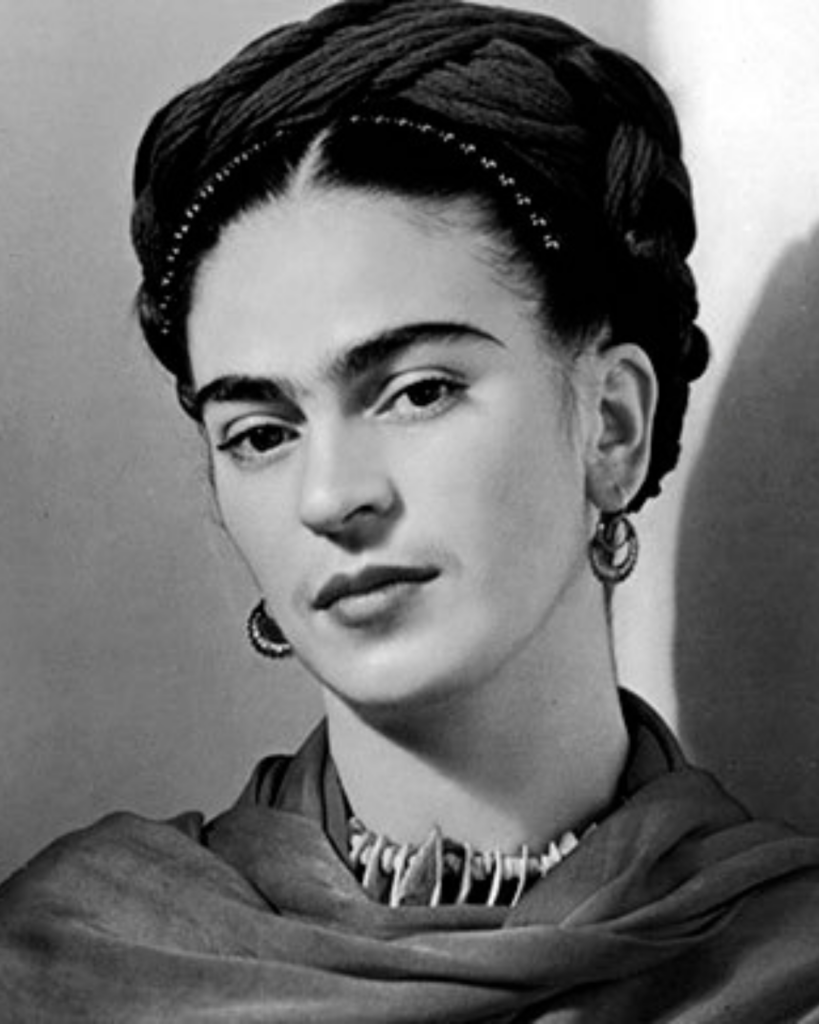
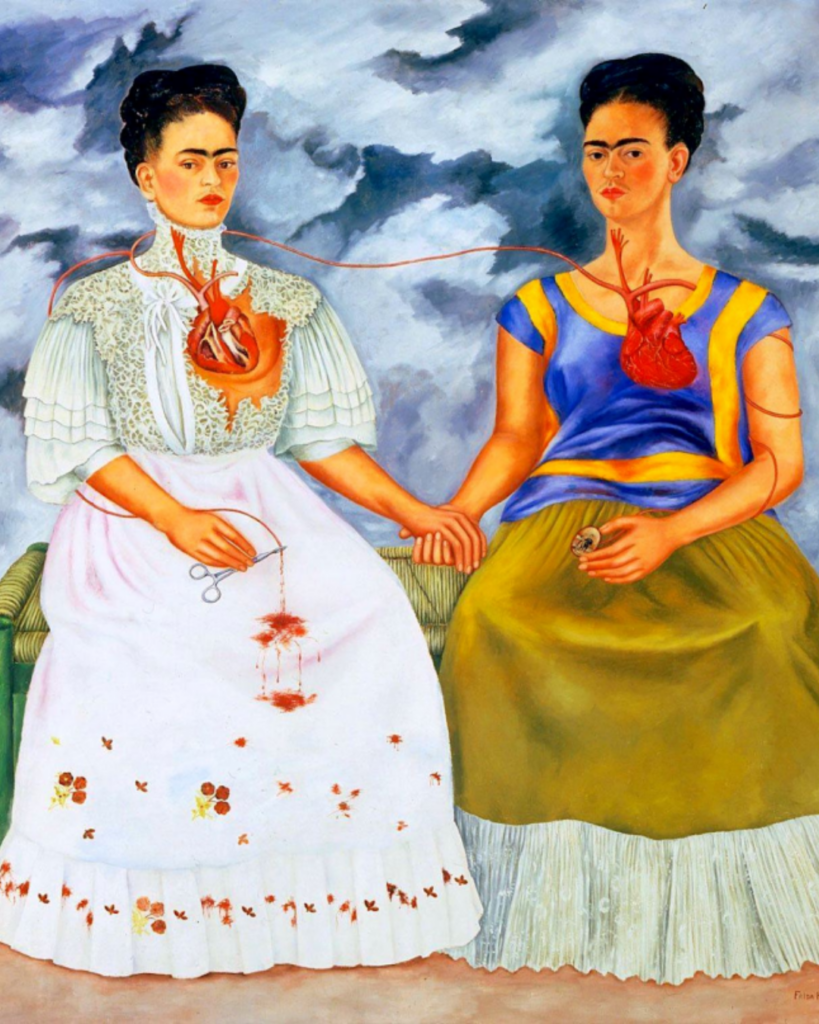
At the same time, surrealism found fertile ground in the region. Frida Kahlo developed a personal and direct style. She combined the symbolic, the real, and the dreamlike to explore her identity, her pain, and her culture.
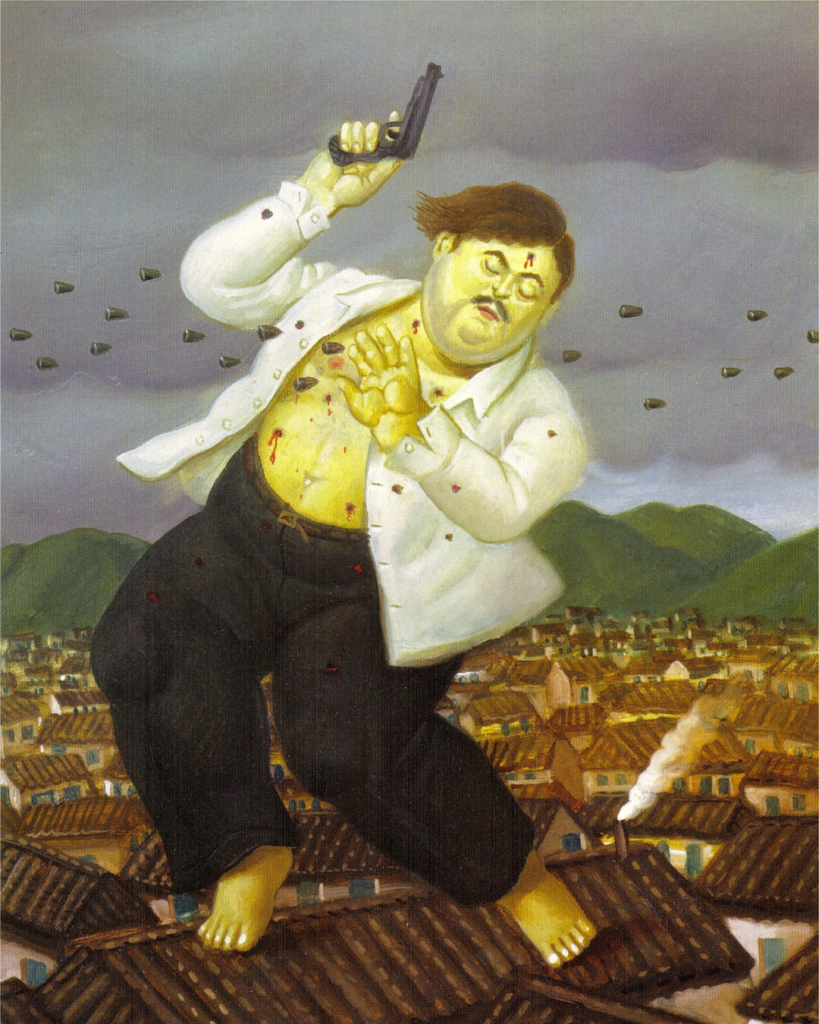
Art also functioned as social critique. Fernando Botero demonstrated this with his voluminous figures. His works addressed power, violence, and inequality, using visual language to question political and social structures.

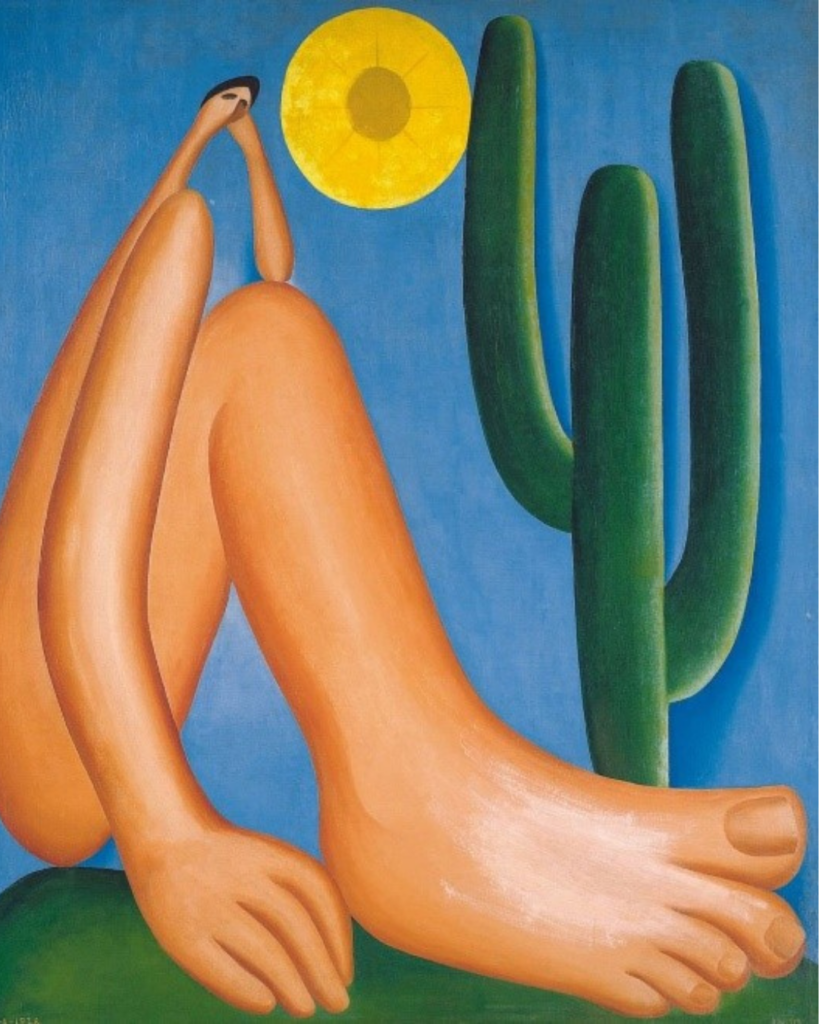
Today, Latin American art is diverse and dynamic. Since the 1970s, artists from across the region have contributed new ideas to the global scene, exploring themes such as identity, migration, memory, and politics.