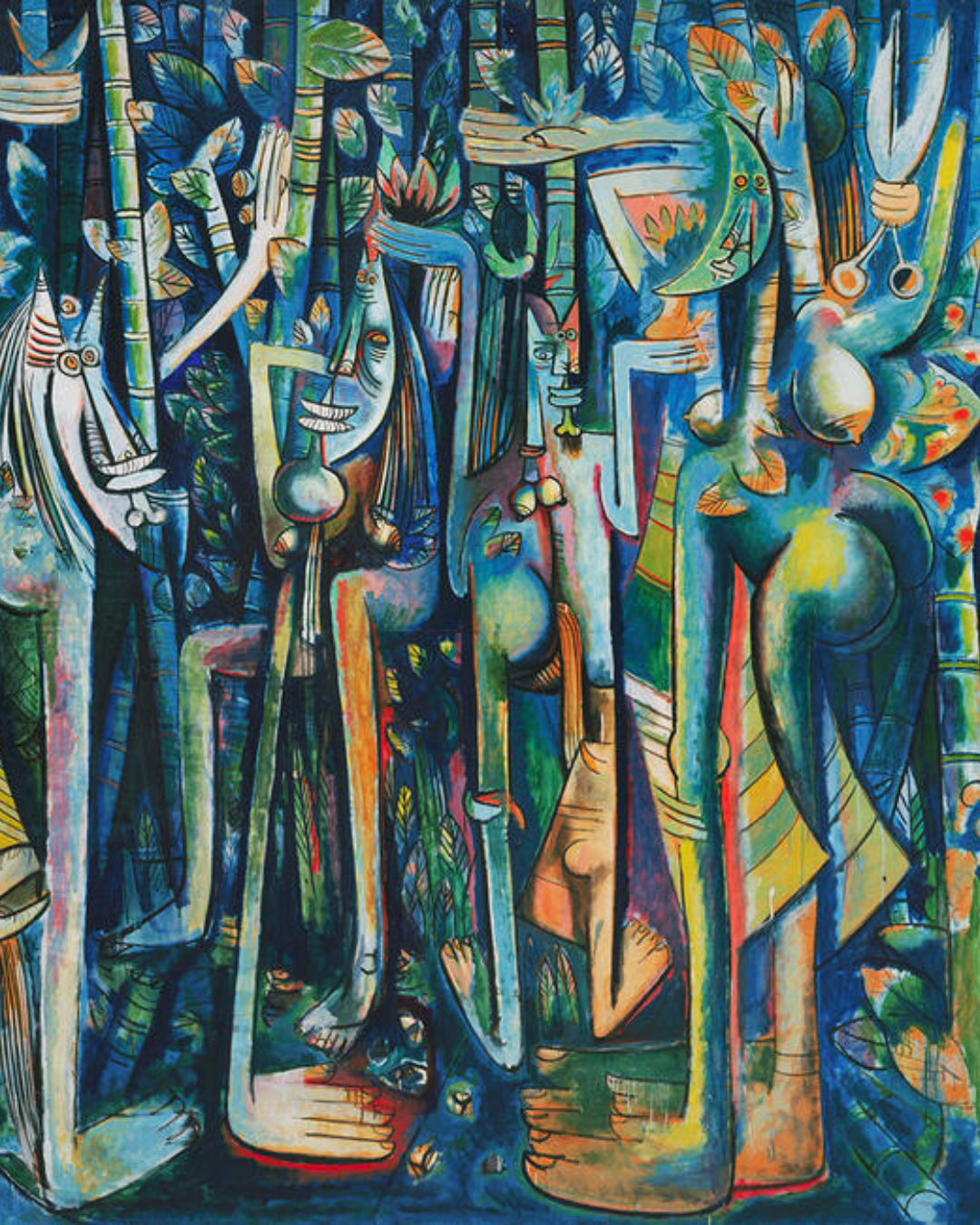


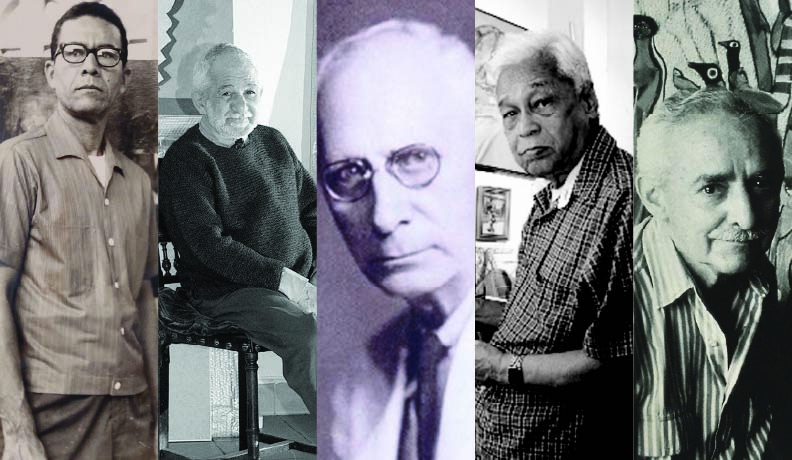
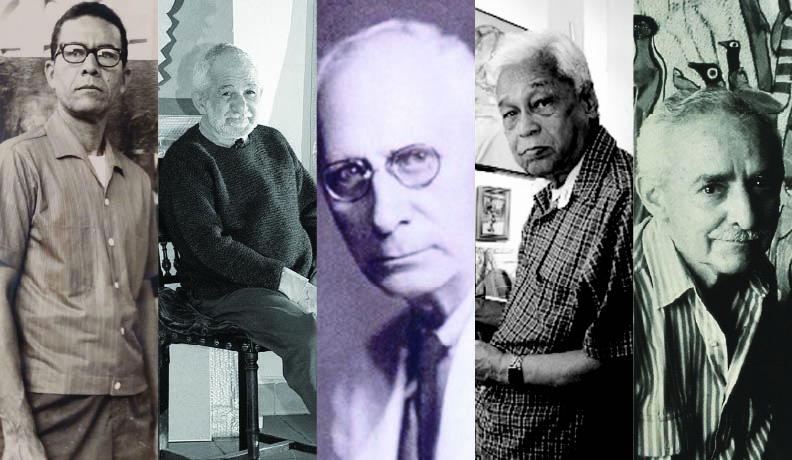
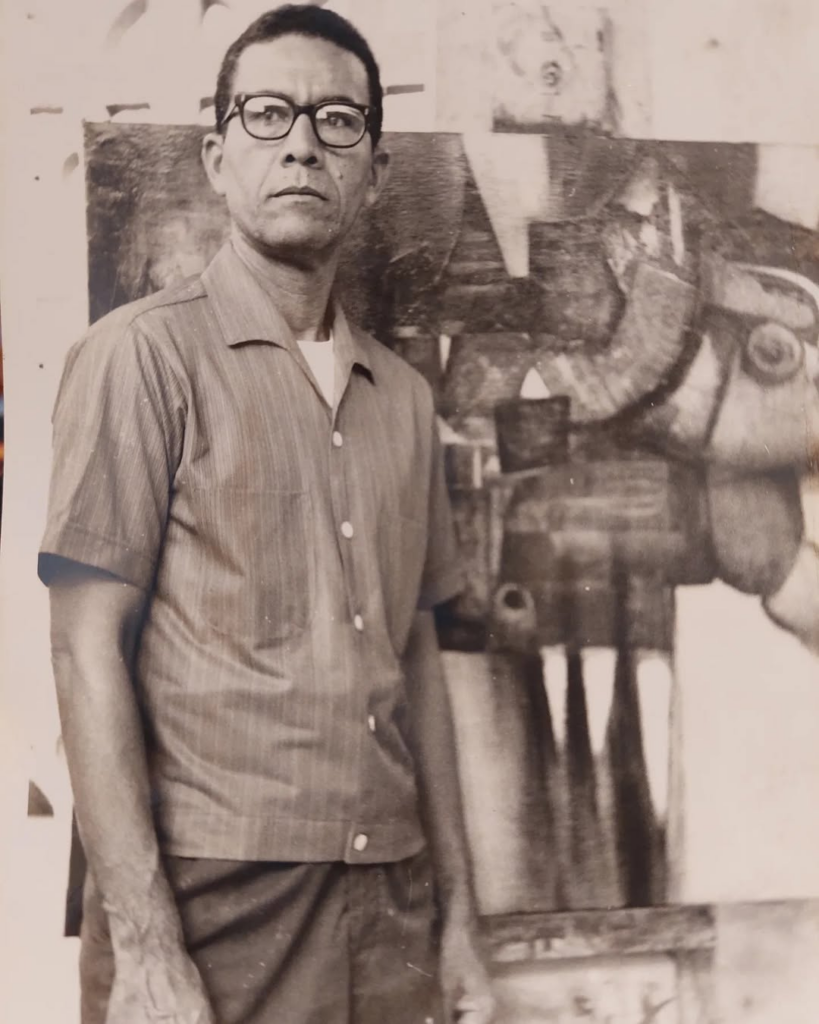
When we talk about Panamanian art, we recognize several generations of creators. Each, from different periods, built their own unique visual identity. Some trained abroad and returned. Others blended international influences with local themes. Among them are Guillermo Trujillo, Roberto Lewis, Julio Zachrisson, Manuel Chong Neto, and Alfredo Sinclair. Each one broadened the landscape of visual arts in Panama.
1. Guillermo Trujillo
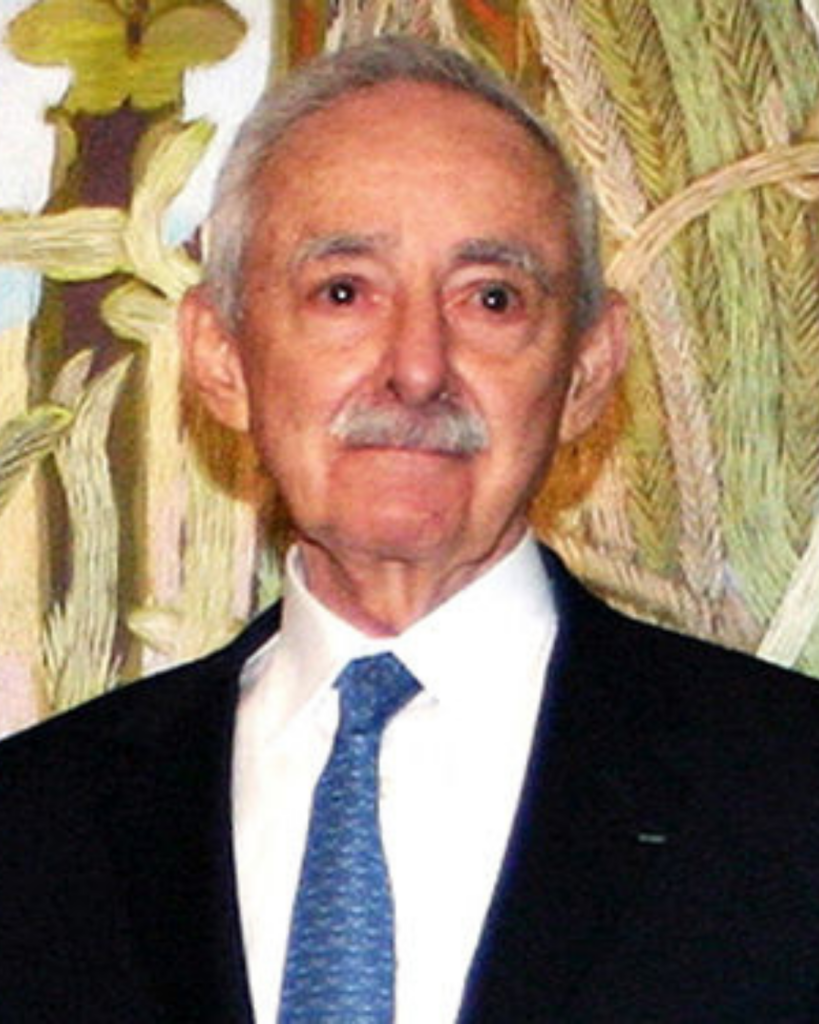
Guillermo Trujillo was born in Horconcitos in 1927 and became a key figure in contemporary Panamanian art. From a young age, he was interested in pre-Columbian artifacts and rituals. This fascination marked his work. He studied architecture in Panama and then traveled to Spain in the 1950s. There he continued his training in ceramics and architecture.
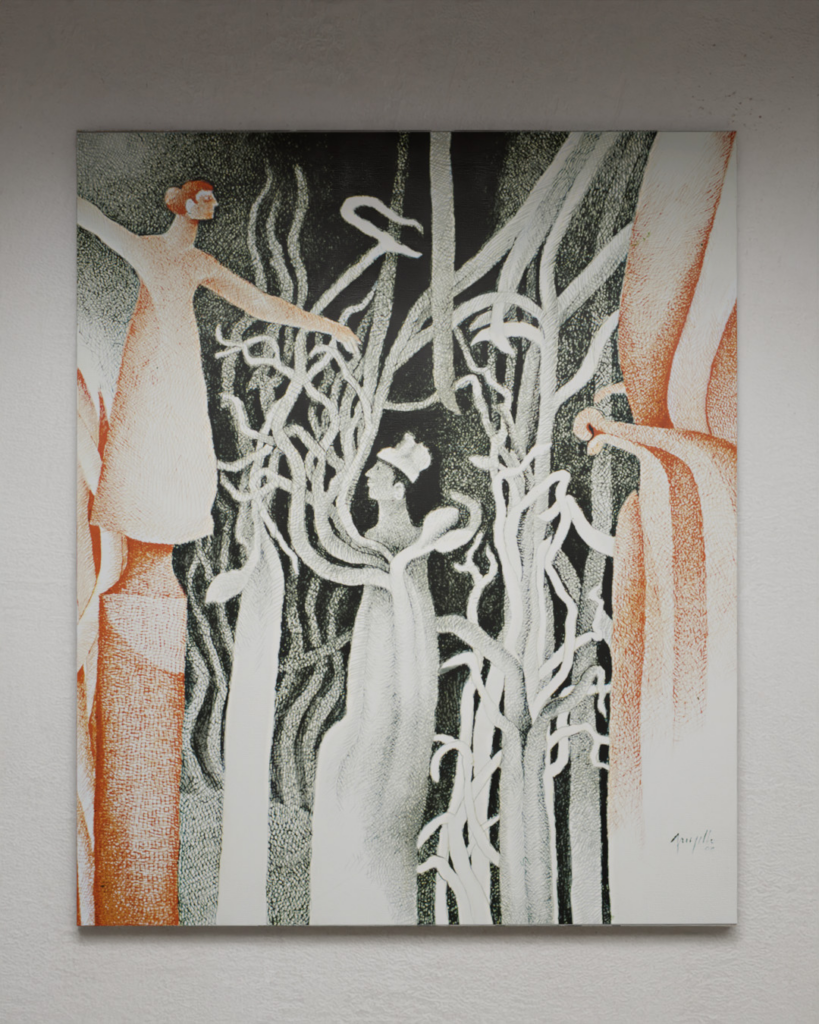
He returned to Panama in 1959. He taught architecture for nearly two decades and, at the same time, developed his artistic work. In his paintings, he combines indigenous iconography, symbols, and commentary on social and political realities. His images move between cultural memory and imagination.
2. Roberto Lewis
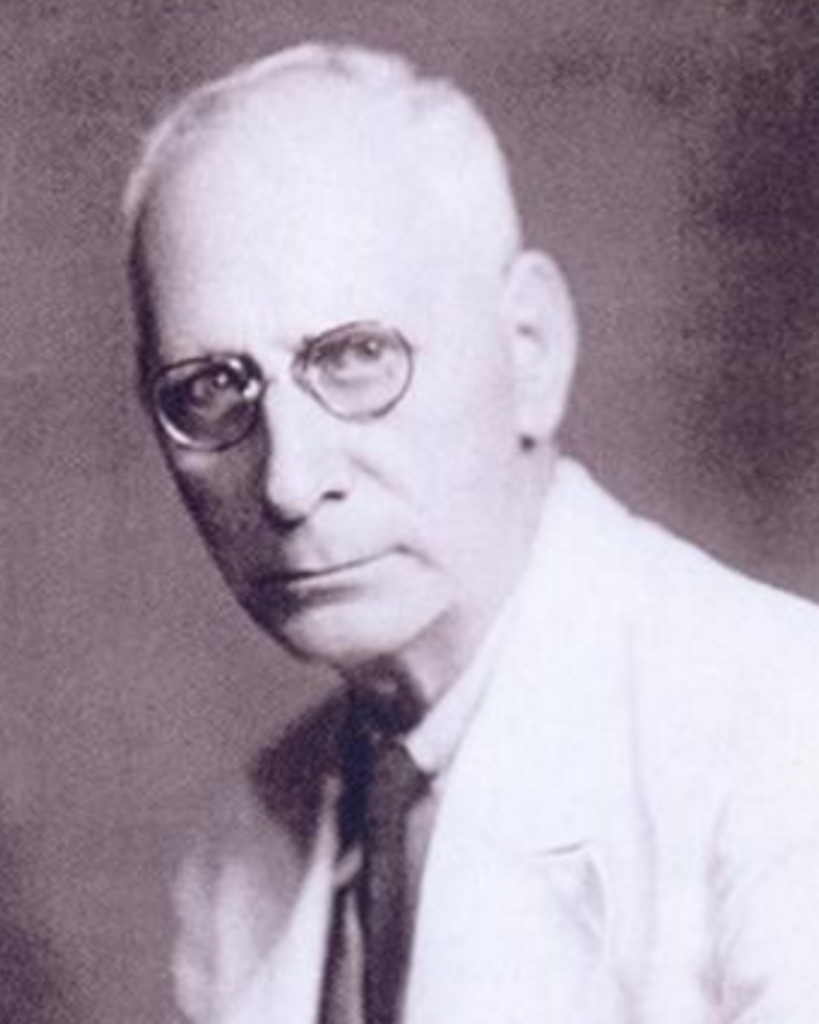
Roberto Lewis was drawn to art from a young age. His family sent him to Paris, where he finished high school and began to paint. He returned to Panama for a time, but decided to go back to France to train as an artist.
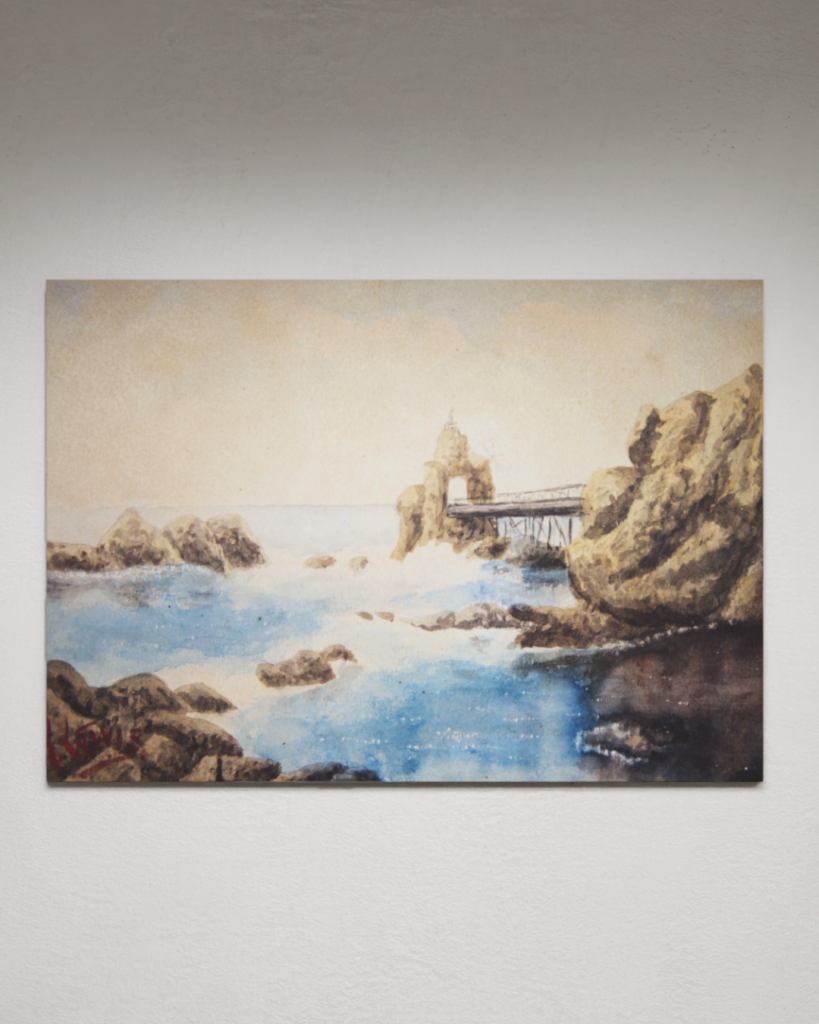
In Paris, he studied with Léon Bonnat and Albert Dubois-Pillet. After Panama’s separation from Colombia in 1903, he assumed the post of consul in Paris. He also received commissions from the Panamanian government. He painted frescoes and murals in public buildings, such as the ceiling of the National Theater. Furthermore, he founded and directed the National School of Fine Arts until 1935, where he trained new generations of artists.
3. Julio Zachrisson
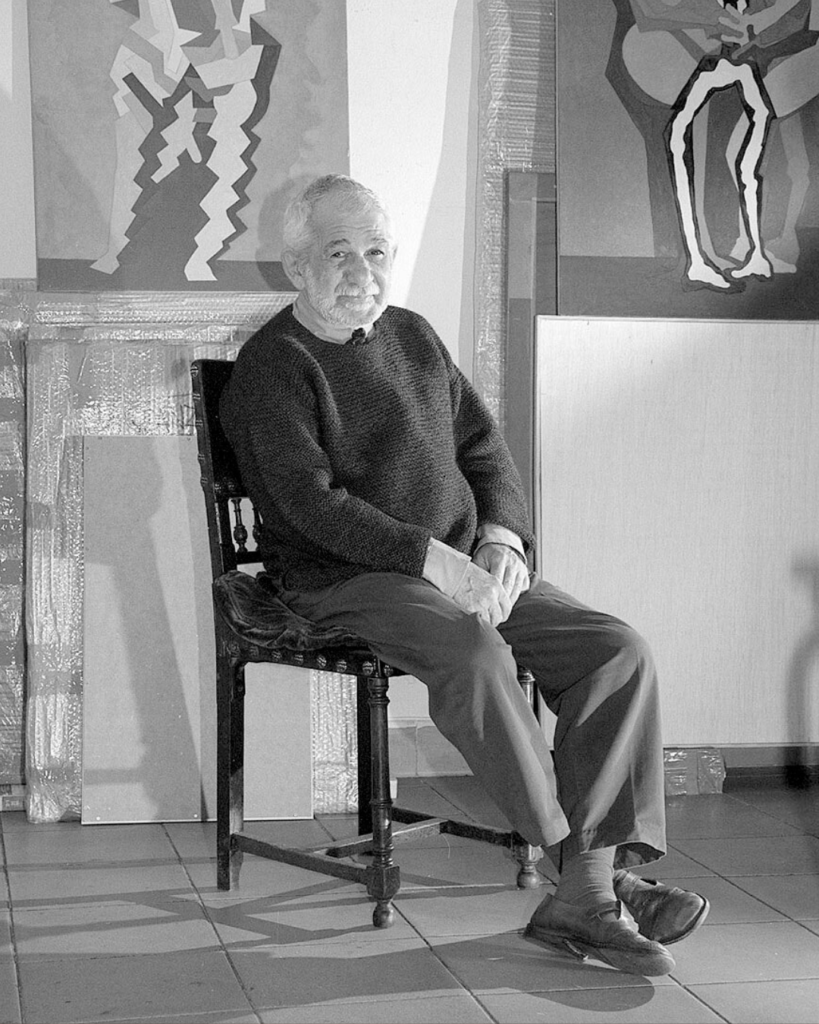
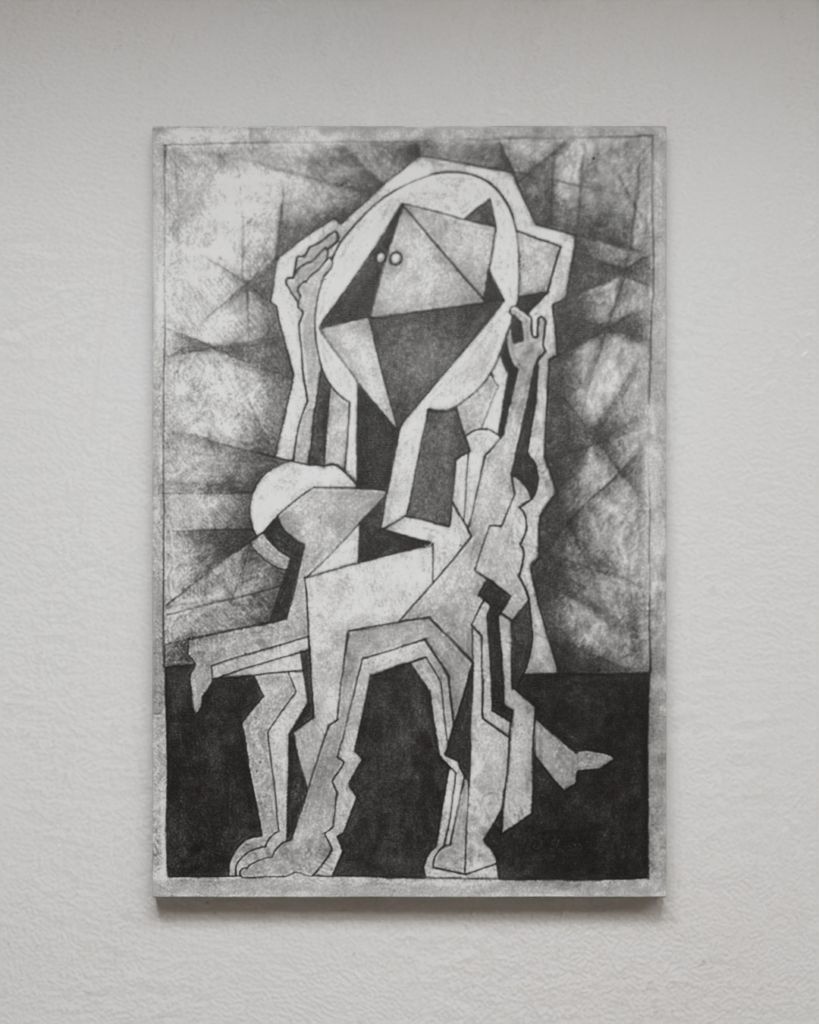
Julio Zachrisson was born in 1930. He worked as a painter, draftsman, and engraver. He was a member of the Los Independientes group and traveled to Mexico with Gilberto Maldonado Thibault. That experience shaped his artistic development.
He lived in Mexico City between 1953 and 1960. He studied at La Esmeralda and became involved with Diego Rivera’s circle. He also associated with young artists such as José Luis Cuevas, Alberto Gironella, and Juan Soriano. In 1961, he moved to Madrid and studied at the Royal Academy of Fine Arts of San Fernando. His work reflects the influence of Francisco de Goya. In 1966, he received the Goya-Aragón Prize for his graphic work.
4. Manuel Chong Neto
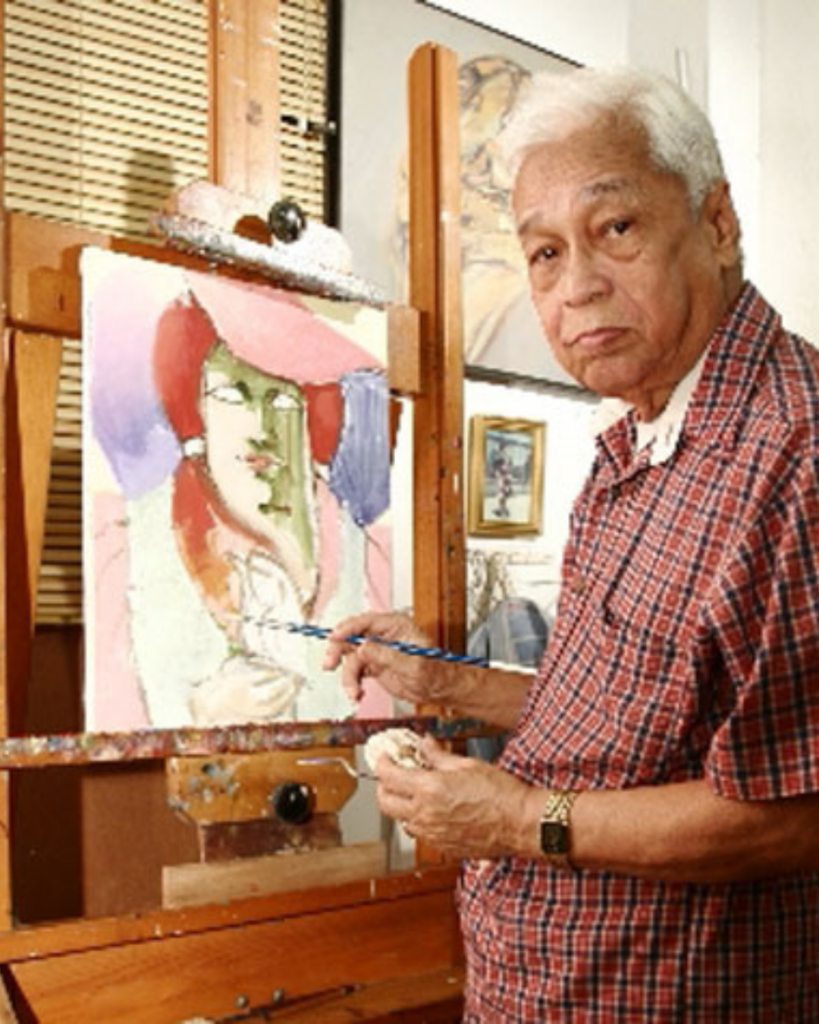
Manuel Chong Neto worked as an engraver, painter, and educator. He studied in Panama and later at the San Carlos Academy in Mexico. He participated in exhibitions and received several awards.
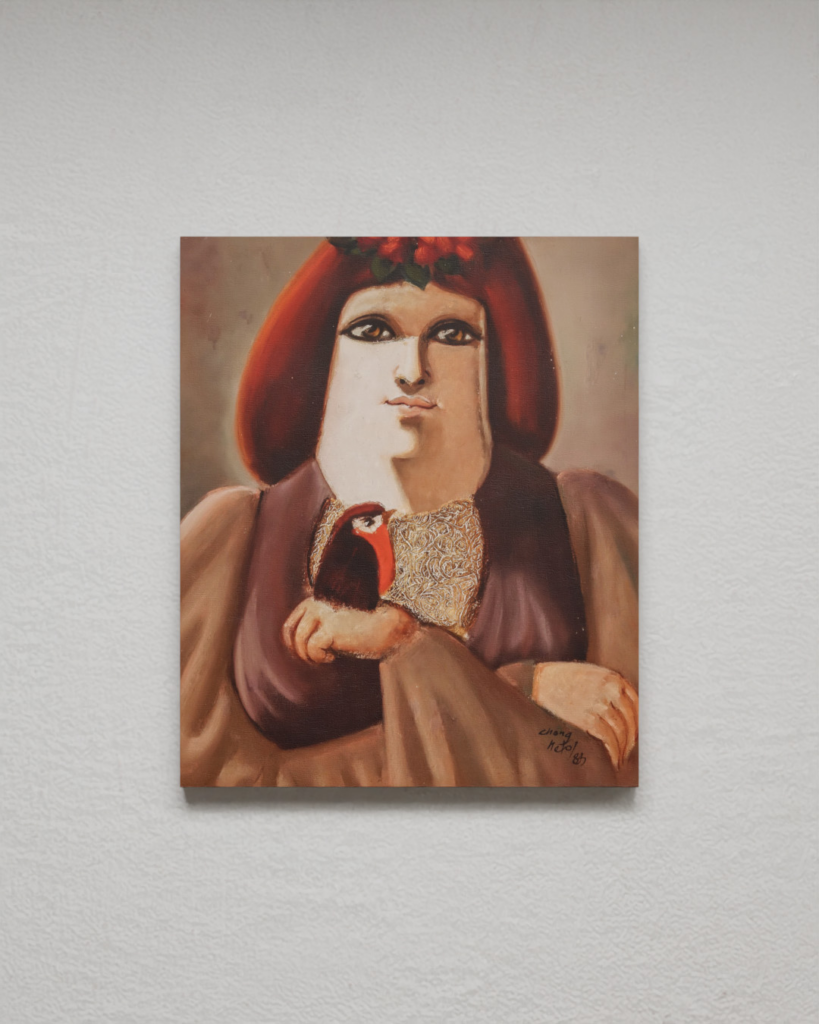
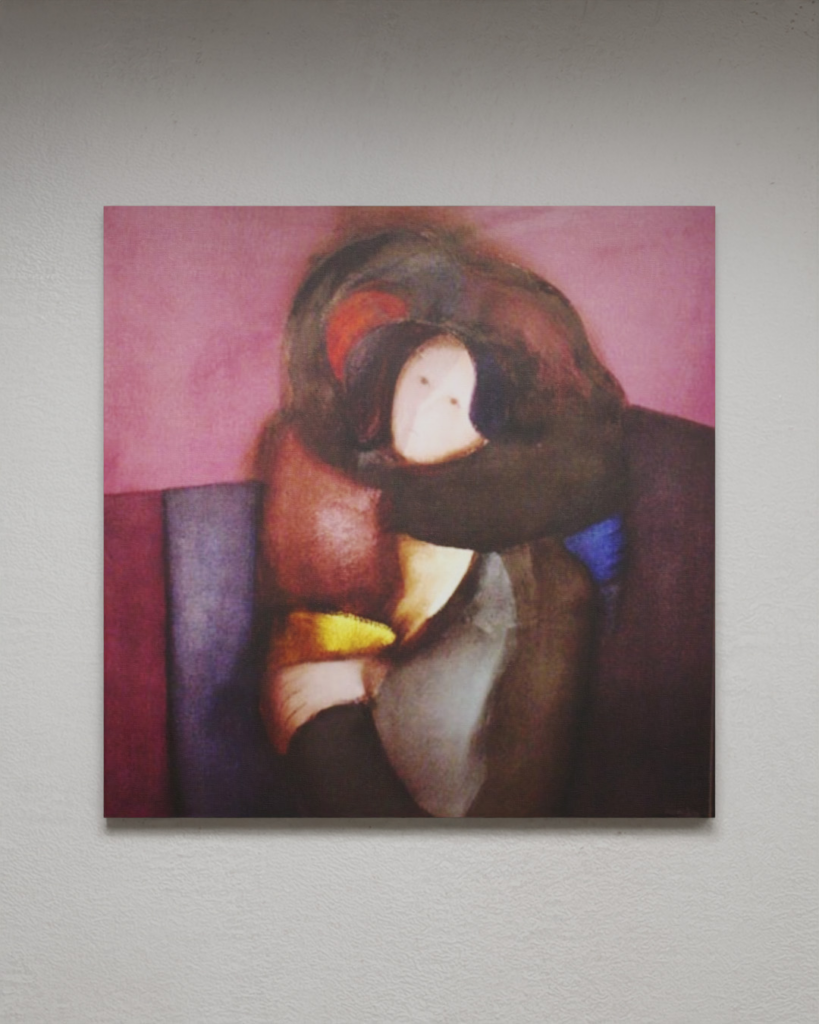
Initially, he followed Mexican social realism. Over time, he developed his own style. His works feature female figures, birds, and figures observing the scene. He also changed his use of color. First, he used dark, earthy tones. Later, he incorporated intense colors such as oranges, blues, and fuchsias.
5. Alfredo Sinclair
Alfredo Sinclair was known for his mastery of color. He trained in part in Buenos Aires, where he explored the relationship between color and structure.
Color dominates his work. Each tone has its own weight and, at the same time, integrates into the whole. He organizes the surface into planes. He superimposes layers and creates depth without losing order.
These artists followed different paths, but they share a clear contribution: they helped build modern Panamanian art. They taught, experimented, and sought new ways to represent reality. Their works allow you to understand how art in Panama grew amidst external influences and its own unique identity.